
Dental Tourism in Turkey
Dental tourism in Turkey works best when the treatment plan comes before the holiday.
More and more UK patients are looking into a dental holiday in Turkey, mainly for the savings. Get a written plan first. Then book your flights.
Your written plan, within one working day. Email first. Calls only if you ask.
Clinically reviewed for accuracy by Dr. Onur Tarakci | DDS, Founder of DentVita • Last updated: March 31, 2026

Dental Treatment Abroad
Why thousands of UK patients are booking flights instead of waiting lists.
Getting dental treatment abroad used to sound extreme. Not anymore. NHS waiting lists keep growing, most cosmetic work is not covered at all, and private prices in the UK have gone through the roof. For a lot of people, flying somewhere with shorter waits and lower costs is not a last resort. It is a practical decision.
Turkey is a common destination. The country has a well-established dental tourism ecosystem. Clinics are modern, dentists train at accredited universities, and English support is common in tourism-facing practices, though it is still something you should confirm before you book. Most UK patients save 50 to 70% compared to private prices at home. You can see how DentVita’s prices compare on our dental prices page.
And then there is Antalya. Direct flights from London, Manchester, Birmingham, depending on season. Mediterranean weather much of the year. A coastline built for recovery. We will get into what makes Antalya worth choosing in a later section.
Your Dental Holiday in Turkey
From first message to final check up. Here is how it actually works.
Most dental tourism pages stop at “book a consultation.” They don’t tell you what happens between your first enquiry and your flight home. This section does. Every step, in order, based on how the process actually runs at a working clinic in Antalya.
The process usually starts the same way. You search online, compare a few clinics, read reviews, scroll through before-and-after photos. That part is on you. Take your time with it.
When you are ready to make contact, most clinics will ask for one of two things: a set of clear photos of your teeth, or a panoramic X-ray. If implants are involved, the X-ray is not optional. Bone density, sinus proximity, existing dental work. All of that affects the treatment plan. A clinic that quotes you a price without seeing any imaging is a clinic you should think twice about.
What to look for at this stage: a named dentist on the website with real qualifications, transparent pricing that does not hide behind “contact us for a quote”, and a before and after gallery that looks consistent rather than cherry-picked. We cover this in more detail in the clinic selection section below.
Direct flights from the UK to Antalya run year round from London. Manchester, Birmingham and Edinburgh have seasonal routes, so check availability depending on when you plan to travel. Flight time is around 4 hours.
Visa rules are straightforward for most UK passport holders. You can stay up to 90 days within a 180 day period without a visa. Two things to double check before you go:
- Your passport must be valid for at least 150 days from your date of entry
- You need at least one blank page in your passport
If your situation is different, dual nationality, non UK passport, or any doubt at all, check the latest entry requirements on GOV.UK.
Travel insurance is where people slip up. Most standard UK travel insurance policies do not cover planned medical or dental treatment. That means if something goes wrong during a procedure you flew out specifically to have, your regular policy probably will not help. Look into specialist medical travel insurance, or at the very least, read the fine print on your existing policy before you assume you are covered.
Best time to go? Treatment runs year round, but spring and autumn hit the sweet spot. Warm enough to enjoy Antalya, not so hot that recovery feels miserable.
How long you will need depends on what you are having done:
- Veneers and crowns: 5 to 7 days
- Composite bonding: 3 to 5 days
- Implants (first stage): 3 to 5 days, with a second visit 3 to 6 months later for the crown
- Full mouth restoration: 7 to 10 days
Every case is individual. These are typical ranges, not guarantees. Your clinic should confirm your timeline before you book anything.
You land in Antalya, get transferred to your hotel, and settle in. Most clinics arrange the first appointment for the morning after arrival, so you are not rushed off a plane and straight into a dental chair.
That first visit matters more than you might think. The dentist examines you in person, takes X-rays if needed, and confirms the treatment plan face to face. Sometimes the plan changes at this stage. Maybe bone quality is different from what the panoramic showed. Maybe a tooth that looked fine in photos needs attention. A good clinic tells you before anything starts, not after.
Treatment days tend to follow a predictable rhythm. Morning appointments at the clinic, afternoons free. Depending on your case, you might have consecutive days of treatment or a rest day built in while lab work is completed. Don’t expect to be in the chair all day, every day.
One thing worth sorting before you fly: confirm whether the clinic team speaks English. Most tourism facing practices do, and some have a dedicated patient coordinator handling communication in English throughout your stay. But do not assume. Ask.
Once treatment is finished, your clinic will let you know when it is safe to fly. For most cosmetic work like veneers or bonding, that is usually the next day. Implant cases sometimes need an extra day or two.
Before you leave, make sure you have everything in writing. Aftercare instructions, details of what was done and which materials were used, warranty or guarantee documentation, and an emergency contact for the clinic. If a clinic is reluctant to hand this over, that tells you something.
The flight home is not the end of the process. Good clinics stay in touch. WhatsApp follow ups, photo reviews, video calls if needed. If something feels off three weeks later, you should be able to message your clinic and get a response, not silence. We cover what to expect back in the UK in more detail further down the page.
Choosing a Safe Dental Clinic in Turkey
The clinic matters more than the country.
Dental tourism in Turkey has a reputation problem, and some of it is deserved. But the bad outcomes people read about almost always trace back to the same thing: the wrong clinic. Not the wrong country. Turkey has excellent dentists and terrible ones, just like the UK does. The difference is that you are choosing from a distance, which makes the research stage more important than it would be at home.
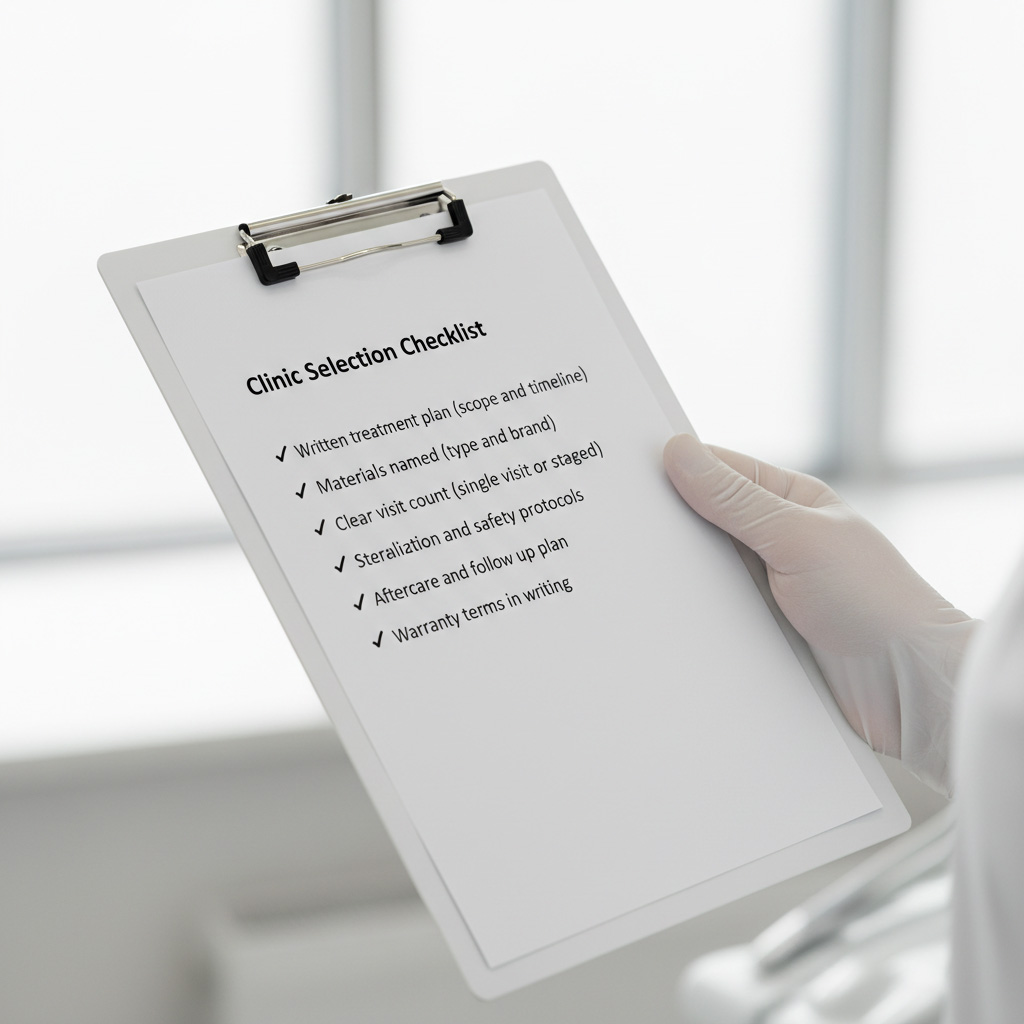
Not every clinic that looks professional online is professional in person. These are the things worth verifying before you send a deposit or book a flight:
- Ministry of Health registration. A legitimate clinic should be licensed and registered with the relevant health authorities. Ask if the clinic is also authorised for treating international patients and whether they can show documentation. If they cannot show anything in writing, ask why.
- A named dentist with visible credentials. You should be able to find the treating dentist’s name, university and areas of focus on the clinic’s website. If the site only says “our experienced team” with no names, that is worth questioning.
- Transparent pricing. Some clinics only provide quotes after initial contact, which makes it difficult to compare. Look for clinics that publish their prices openly. Ask for a written breakdown before committing to anything.
- Genuine patient reviews. Third party platforms like Google and Trustpilot tend to be more reliable than testimonials on a clinic’s own website. Pay attention to the detailed reviews, not just star ratings. Video testimonials carry even more weight.
- A consistent before and after gallery. Not just five perfect cases. A good gallery shows a range of treatments and results including patient results. If every photo looks like a magazine cover, be cautious.
- Who runs the clinic. Some dental groups operate multiple clinics with dentists working on rotation. That is not necessarily a problem, but it is worth knowing. Ask whether the clinic is led by a practising dentist, how long they have been there, and whether the same person will oversee your treatment from start to finish.
Some warning signs are obvious. Others only show up once you start communicating with the clinic. Watch for:
- No named dentist anywhere on the site. If you cannot find out who will be treating you, walk away.
- Prices that seem too low to be realistic. Very low prices usually come with trade offs. Ask what materials are used, where the lab work is done, and how much time is allocated for your treatment.
- Pressure to book quickly. “Limited slots this month” or “price only valid for 48 hours” is a sales tactic, not a clinical decision. A clinic that rushes you into booking does not have your best interests in mind.
- No written treatment plan before arrival. You should receive a detailed, personalised plan before you fly. If a clinic will not commit to a plan in writing until you are sitting in the chair, that is a problem.
- No guarantee or aftercare policy. Ask about this directly. What happens if something fails after six months? What if a follow up is needed? A clinic that goes quiet when you ask about guarantees is telling you something.
- The same recommendation for everyone. If every enquiry gets the same treatment suggestion regardless of the case, the clinic may be selling a product rather than providing individual care. Your plan should be based on your mouth, not a template.
“The most important appointment is the first one. That is where we decide what you actually need, not what looks good on a quote. If I cannot justify a treatment clinically, I will not do it. I would rather send you home with nothing done than do something I don’t believe in.” — Dr. Onur Tarakçı
Example trip plans
Real plans, built from real cases.
These are anonymised examples from actual DentVita patients. Each plan shows what was done, how long it took, and what the patient received in writing before flying home.
Composite Bonding — 3 Day Plan
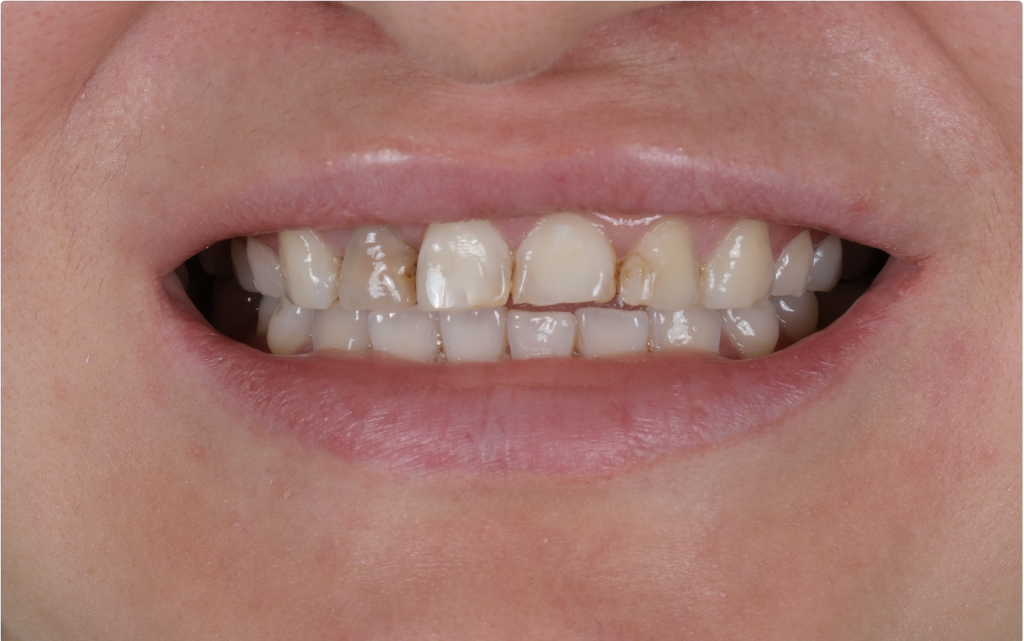
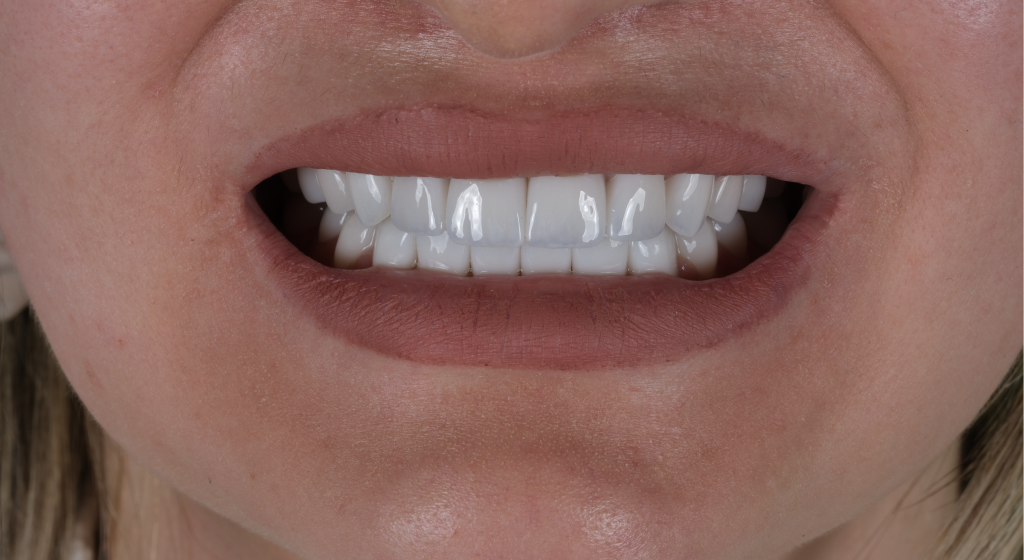
28 year old, UK.
Unhappy with gaps and uneven edges on upper and lower front teeth..
Scope:
Composite bonding, 16 teeth (8 upper, 8 lower)
Timeline
- Day 1: Arrive Antalya. Airport pickup, hotel check in. Evening free.
- Day 2: Full bonding session. Upper and lower teeth completed in one appointment (approximately 6 hours). Afternoon free.
- Day 3: Morning review with Dr. Onur. Minor adjustments, bite check, polish. Aftercare instructions. Fly home same evening.
Material & Shade
Tokuyama Estelite Asteria, shade B1
Composite Bonding — 3 Day Plan
28 year old, UK.
Unhappy with gaps and uneven edges on upper and lower front teeth..
Scope:
Composite bonding, 16 teeth (8 upper, 8 lower)
Timeline
- Day 1: Arrive Antalya. Airport pickup, hotel check in. Evening free.
- Day 2: Full bonding session. Upper and lower teeth completed in one appointment (approximately 6 hours). Afternoon free.
- Day 3: Morning review with Dr. Onur. Minor adjustments, bite check, polish. Aftercare instructions. Fly home same evening.
Material & Shade
Tokuyama Estelite Asteria, shade B1
Composite Bonding — 3 Day Plan
28 year old, UK.
Unhappy with gaps and uneven edges on upper and lower front teeth..
Scope:
Composite bonding, 16 teeth (8 upper, 8 lower)
Timeline
- Day 1: Arrive Antalya. Airport pickup, hotel check in. Evening free.
- Day 2: Full bonding session. Upper and lower teeth completed in one appointment (approximately 6 hours). Afternoon free.
- Day 3: Morning review with Dr. Onur. Minor adjustments, bite check, polish. Aftercare instructions. Fly home same evening.
Material & Shade
Tokuyama Estelite Asteria, shade B1
Every patient leaves with a full written record: materials used, aftercare instructions, and guarantee documentation.
Want a plan like this? Share your dates and goals. We reply with your plan in writing within 1 working day.
Back in the UK
Treatment ends at the clinic. Aftercare shouldn’t.
Most dental tourism content focuses on the trip itself. Flights, hotels, the clinic. But the part that actually keeps people up at night is what happens after. You are home, your dentist is 4 hours away by plane, and something does not feel right. What do you do?
The General Dental Council recognises that UK patients travel abroad for dental treatment. Their guidance on going abroad for dental treatment recommends doing your research before you go and keeping your UK dentist informed.
That second part matters more than people realise. Tell your UK dentist before you leave, not after. When you are back, share your treatment records with them so they have a full picture of what was done. Keep up your regular check ups as normal.
If something goes wrong, the NHS may be able to help with acute issues like pain or infection, but access varies depending on where you live and availability at the time. You can read more about NHS cover for treatment abroad on the NHS website. Routine adjustments, cosmetic corrections or maintenance of work done abroad will generally fall outside NHS cover. This is not a criticism of the system. It is just how it works, and it is worth knowing in advance rather than finding out when you need help.
That is exactly why aftercare planning should happen before treatment, not after.
These documents are your safety net. A clinic that will not provide them in writing is a clinic you should not trust with your teeth.
- A full treatment record: which teeth were treated, what was done, and which materials and brands were used
- Written aftercare instructions, not just a verbal run through
- Guarantee or warranty documentation: what is covered, for how long, and how to make a claim
- Emergency contact details with expected response times
- A complaints procedure: who to contact if you are not satisfied
Good clinics don’t just hand these over when you ask. They prepare them as standard. And the aftercare does not stop at the airport. Photo reviews over WhatsApp, video calls when needed, and access to your treating dentist if something comes up weeks or months later. That is the minimum you should expect.
For a full breakdown of how aftercare works, see our aftercare support page.
“Treatment does not end when you fly home. We plan aftercare before we start treatment. If something bothers you at 11pm on a Tuesday, message me. I will answer.”— Dr. Onur Tarakçı
Why Antalya
Sun, sea and a shorter flight than you think.

Direct flights run from London year round. Manchester, Birmingham and Edinburgh connect seasonally. You are looking at around 4 hours in the air. That is less than most people spend getting to a UK dental appointment and back if they are on an NHS waiting list outside their local area.
The city itself helps with recovery. Mediterranean climate, warm for most of the year, and the Lara coastline is built around resort hotels, restaurants and beach access. If you have a rest day between appointments, you are not stuck in a hotel room. You are somewhere you would actually want to be.
Antalya also has something Istanbul does not: a pace that suits treatment. No traffic chaos, no two hour commutes across the city to get to your clinic. Lara is a 15 minute drive from the airport. You can land and be at your hotel within half an hour.
If you want to learn more about DentVita and the team behind the clinic, see our about page. For a look at the treatments we offer, see our full range of treatments.
Questions About Dental Tourism in Turkey
Display Section Heading
With the right clinic, yes. Check for Ministry of Health registration, a named treating dentist, transparent pricing and published patient reviews. We cover what to look for and what to avoid in the clinic selection section above.
It depends on the treatment. Composite bonding takes 3 to 5 days. Veneers and crowns need 5 to 7 days. Implants often require two separate visits, 3 to 6 months apart. Your clinic should confirm your timeline before you book flights.
A responsible clinic provides written guarantees, aftercare instructions and ongoing access to your treating dentist via WhatsApp or video call. Your UK dentist may be able to help with acute issues, but planning aftercare before you travel is the best protection. See our aftercare support page for more detail.
Most UK passport holders can stay up to 90 days within a 180 day period without a visa. Your passport must be valid for at least 150 days from entry and have at least one blank page. If your circumstances are different, check GOV.UK for the latest requirements.
Most patients save 50 to 70% compared to private UK prices. The exact amount depends on your treatment. You can compare specific prices on our dental prices page.
Yes. Inform your UK dentist before you travel and share your treatment records when you return. They can monitor your results and handle routine check ups. NHS support related to overseas treatment is limited and can vary by area and availability.
Both cities have reputable clinics. Antalya can be simpler for UK patients because flights are straightforward, transfers are shorter, and the pace is more relaxed. Lara is a short drive from the airport.
Many patients do. Appointments are often in the mornings, which can leave afternoons free. For ideas between appointments, we will publish a full Antalya guide on the blog soon.
Planning travel for dental work?
Send your preferred travel window and how many days you can stay. We’ll match your visit with treatment stages and send you a written plan. If you want to see what a full package includes, check our all inclusive dental packages.
Dental tourism in Turkey is smoother when treatment timing matches your trip.